
Explore Chile with The Eyes of the Condor
See the Andes Mountains and Patagonia from the heights
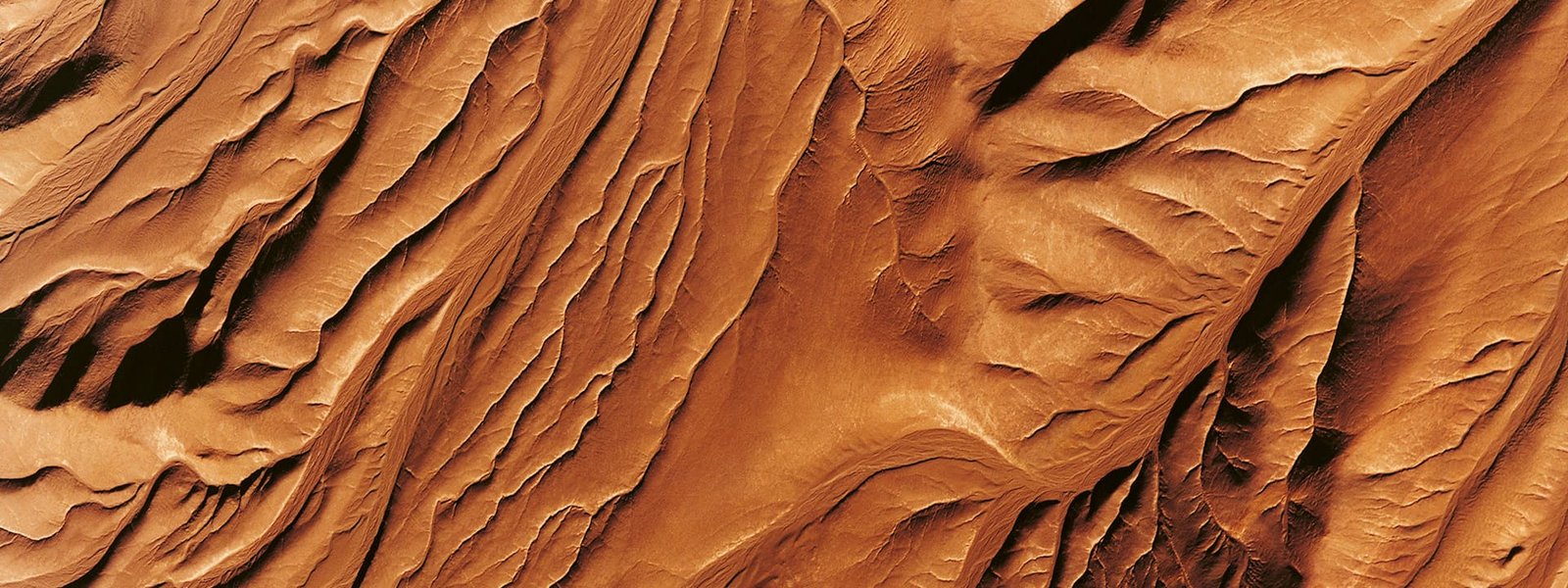
Immerse yourself in unique aerial
photography of Chile
Discover the desert from the air
Chile's dream book
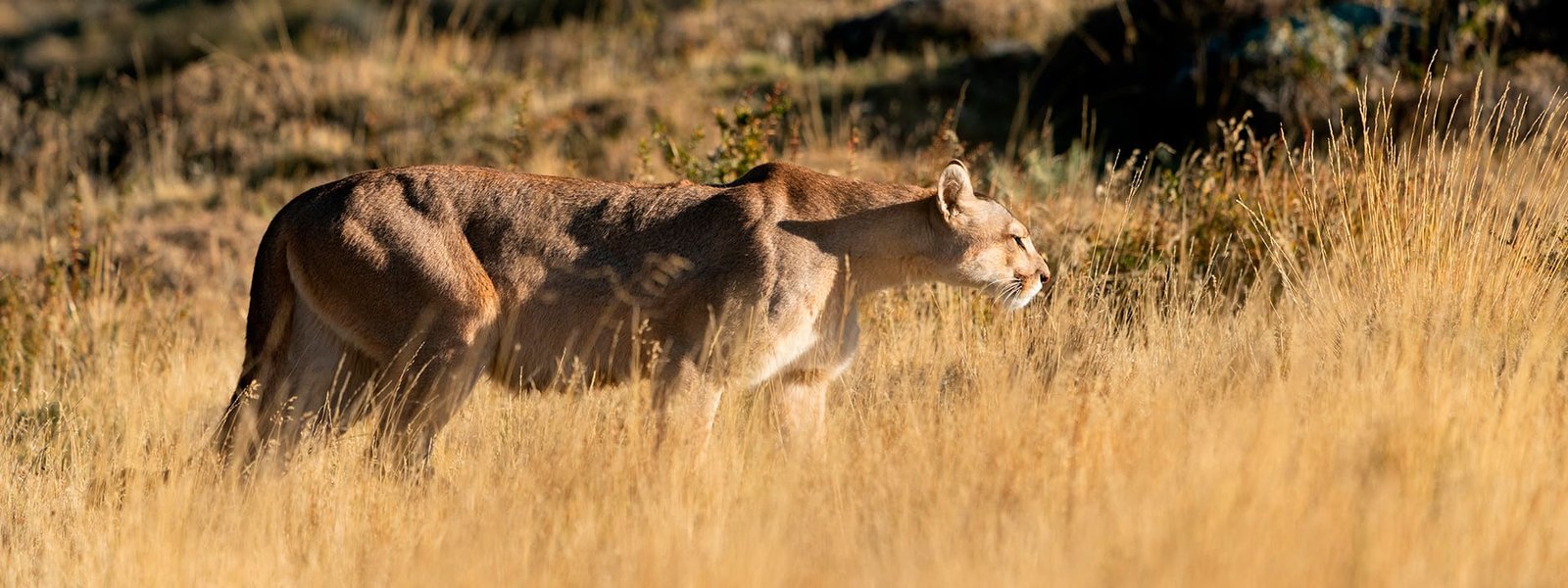
Discover the flora and fauna found in the forests
make it unique
PERSONALIZE YOUR BOOKS
Get a quote from us for the perfect gift.
We offer a variety of customization options:

GENERAL CHARACTERISTICS
The Eyes of the Condor

The first edition of the book was published in 1999. It was one of the first aerial photography books in Chile, offering a view of the country through the eyes of the Andean condor, a mysterious bird that inhabits the skies of the Andes Mountains from Venezuela to Patagonia.
Considered one of the largest birds in the world, the condor holds great importance for Chile and has been featured on its national coat of arms since 1834. With its impressive wingspan, which can exceed three meters, this bird is able to observe the Chilean landscape with complete freedom and clarity.Etiam rhoncus. Maecenas tempus, tellus eget condimentum rhoncus, sem quam semper libero, sit amet adipiscing sem neque sed ipsum. Nam quam nunc, blandit vel, luctus pulvinar, hendrerit id, lorem.
- Hardcover photo book
- Size 28×23 cm
- 144 pages, coated paper
- Featuring multiple professional photographers
- Languages: English and Spanish
0
Copies sold worldwide
Behind the Project
Learn how the project The Eyes of the Condor was born
Capturing the Andean Condor’s gaze was an idea born from the shared passion of two North Americans. J.J. Bissell, a resident of Charlotte, North Carolina, captured the bird’s view of its country through his camera lens. Meanwhile, Christopher J. Ladley, who lived in Chile, was tasked with launching and executing the project.
Their goal is to immerse readers’ eyes in the breathtaking landscapes of Chile. The images were selected based on parameters such as color, shape, and texture.
“We were flying over the Strait of Magellan in the far south when we encountered a condor. It immediately showed that our presence was unwelcome. It positioned itself between us and the sunlight, so we couldn’t see it. But it was watching us. It began circling and every so often descended toward us in a defiant manner. What impressed us most about this elusive bird is the perspective from which it observes everything. Its image is clear, neutral, and utterly free.”